
Visual Cues & Intake Estimation
Evidence-Based Facts About Portion Perception
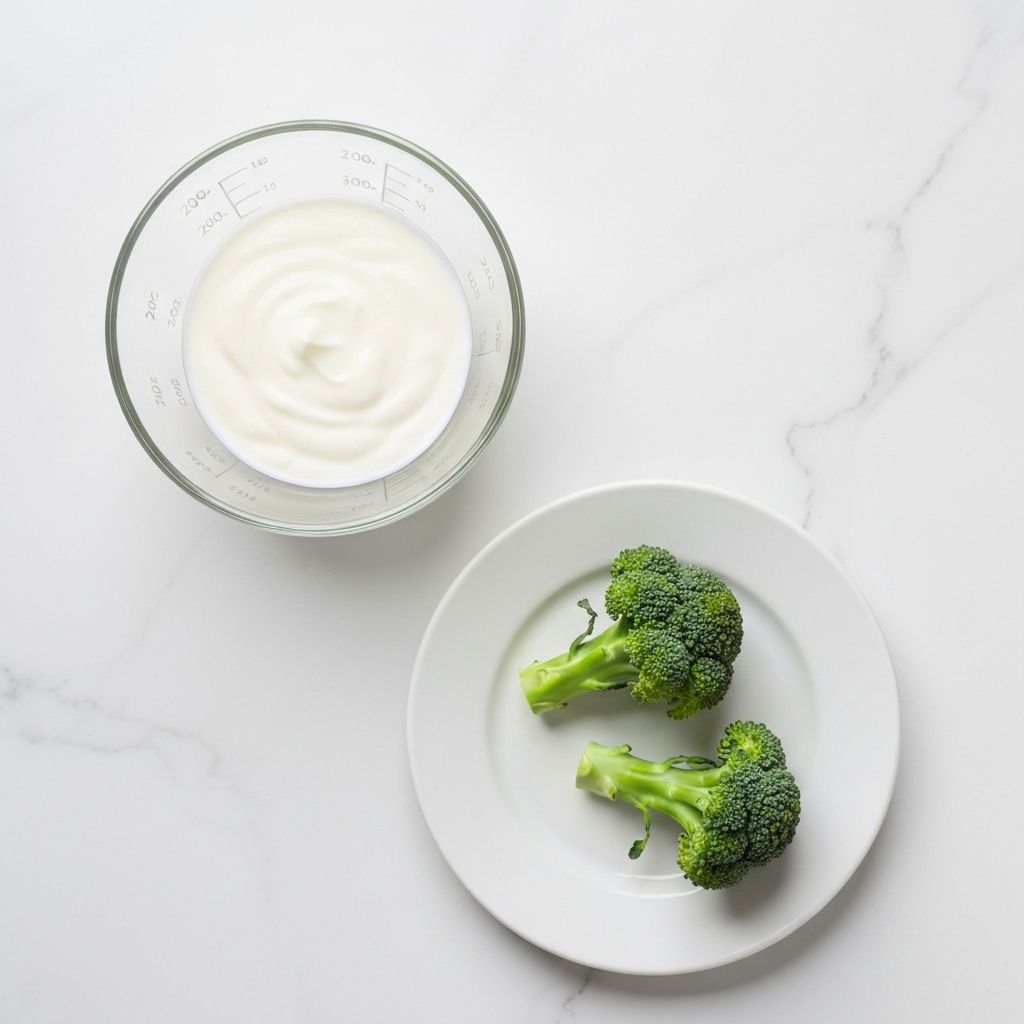
How Visual Information Influences Portion Perception
Humans estimate portion sizes using visual information processed rapidly and largely automatically. When presented with food, the visual system extracts multiple dimensions of information including size, shape, volume, color distribution, and spatial arrangement. The brain integrates these visual signals into a rapid estimate of quantity. This process occurs within milliseconds, which is why people experience portion estimates as intuitive judgments rather than as deliberate calculations.
Plate Size Effects
The size of the plate on which food is served significantly influences portion perception. Food on a small plate appears larger relative to the plate boundaries and typically seems more abundant. The same amount of food on a larger plate appears smaller because it occupies less relative space within the plate boundaries. This is not an optical illusion—the visual system genuinely processes quantity information relative to the surrounding frame of reference. The effect is large enough to influence both perception and subsequent intake behaviors.
Color Contrast Effects
Color contrast between food and plate influences portion perception. When food and plate share similar colors, the food appears smaller because the visual boundaries are less distinct. When food and plate contrast sharply, the food appears larger because figure-ground separation is enhanced. This effect reflects basic visual processing principles where high-contrast regions appear more prominent. Different food-plate combinations therefore create different visual impressions of the identical portion.
Plating Arrangement and Distribution
How food is arranged on a plate influences quantity perception. Food spread across a larger area of the plate appears more abundant than the same amount concentrated in a smaller area. Vertical stacking increases apparent quantity compared to flat arrangement. Irregular distribution patterns sometimes increase apparent quantity compared to regular patterns. These effects suggest that the visual system processes quantity information based on spatial distribution rather than relying exclusively on food volume or mass.
Serving Utensil Size Effects
The size of serving utensils influences perceived portion size. When food is served with a large serving spoon or tongs, people form different quantity impressions than when the same food is served with a small utensil. This occurs because the serving utensil provides a reference scale against which portion size is judged. A given portion served with a small utensil appears larger relative to that utensil than when served with a large utensil.
Shape and Three-Dimensional Effects
The three-dimensional shape of food influences quantity perception. Taller presentations appear to contain more food than wider, flatter presentations even when volume is identical. This effect reflects a well-documented visual processing principle where vertical dimension is weighted more heavily than horizontal dimension in quantity judgments. Food sliced into multiple pieces appears more abundant than the same food presented as a single piece.
Container Effects
When food is presented in containers, the container dimensions influence quantity perception. Tall, narrow containers create illusions of greater quantity compared to short, wide containers holding identical amounts. This is particularly evident in studies examining perceived volume in liquid containers. The same principle applies to plated foods where vertical arrangement relative to horizontal spread influences perception.
Individual Differences in Portion Perception
While visual cues reliably influence portion perception in groups, substantial individual differences exist. Age, gender, prior experience with portion estimation, and cultural background all correlate with portion size perception. Familiarity with specific foods influences estimates. Prior expectations about appropriate portions influence the anchors against which current portions are judged. These individual differences mean that identical visual presentations create different quantity judgments across individuals.
Measurement Accuracy and Visual Estimation
When food is measured precisely and presented with measurement information, people develop more accurate quantity estimates. Transparency about portion weight, volume, or caloric content improves estimation accuracy. However, even with explicit measurement information, visual cues continue to influence perception. This suggests that visual processing of quantity is somewhat resistant to explicit factual information, indicating it operates through partially independent neural systems.
Context Effects on Portion Perception
The broader context influences portion size perception. Foods perceived as high-calorie typically appear larger than identical portions of foods perceived as low-calorie. Foods perceived as "indulgent" sometimes appear larger than nutrient-dense foods of identical size. These context effects reveal that portion perception integrates multiple types of information beyond purely visual dimensions.
Information Context
Educational content only. No promises of outcomes.
This article provides evidence-based information about how visual cues influence portion size perception. Understanding these mechanisms provides context for recognizing naturally occurring variation in how different individuals perceive portions.