
Nutrient Density & Perceived Value
Factual Explanation of Nutritional Evaluation
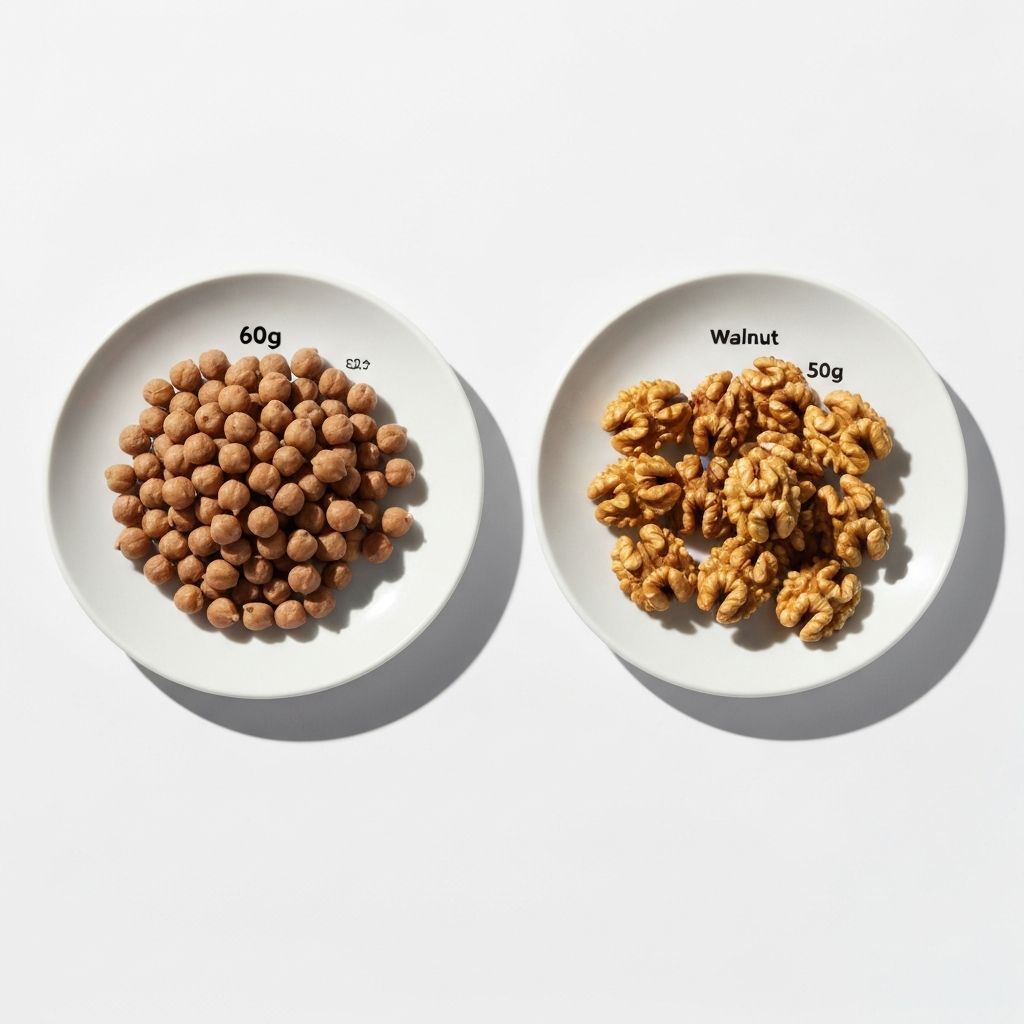
Defining Nutrient Density
Nutrient density refers to the concentration of essential nutrients relative to caloric content in a food. A nutrient-dense food provides substantial amounts of vitamins, minerals, and other beneficial compounds without excessive calories. A less nutrient-dense food provides primarily calories with minimal micronutrient content. This is an objective nutritional characteristic that can be measured and compared across foods. Different evaluation frameworks prioritize different nutrients, but the fundamental concept remains consistent.
Objective Measurement of Density
Nutritional composition can be precisely measured through laboratory analysis. The vitamin content, mineral content, protein quantity, fiber amount, and other components are quantifiable. Based on these measurements, foods can be objectively compared on nutrient density. For example, a portion of broccoli contains more micronutrients and fiber per calorie than a portion of refined grains. This objective comparison provides factual information without implying that one choice is superior to another in all circumstances.
How People Perceive Nutrient Density
Although nutrient density can be objectively measured, people's perception of nutrient density varies considerably. Some individuals accurately estimate which foods are nutrient-dense based on appearance, prior knowledge, or deliberate analysis. Others rely on simplified rules of thumb that sometimes match objective density and sometimes diverge. For example, some people assume that all plant foods are nutrient-dense, while others assume that processed foods are never nutrient-dense. These perceptions don't always align with actual measurements.
Visual Cues in Density Perception
People use visual information to make rapid judgments about nutrient density. Color intensity—particularly deep greens, reds, and oranges—often correlates with higher micronutrient content. Texture and appearance of wholeness affect perceptions. Foods that appear minimally processed often seem more nutrient-dense than similar foods that appear processed, regardless of actual composition. These visual heuristics are often useful because processing and food choices do correlate with nutrient density in typical food environments, but exceptions exist.
Knowledge Effects on Perception
Prior knowledge shapes nutrient density perception. People who have learned that certain foods are nutrient-dense will perceive them differently than those without this knowledge. Educational background influences which nutrients people consider important in their density evaluations. Some people prioritize mineral density while others focus on vitamin content or fiber. This variation in knowledge and priorities creates divergence in how people evaluate the same foods.
Caloric Awareness and Density Judgment
Awareness of caloric content influences nutrient density perception. When people know a food is calorically dense, they may perceive it as less nutrient-dense even if the objective nutrient-to-calorie ratio is favorable. Conversely, foods perceived as low-calorie may seem more nutrient-dense regardless of actual composition. This suggests that nutrient density perception integrates multiple types of information rather than focusing exclusively on nutrients.
Individual Variation in Density Priorities
Different individuals prioritize different nutrients when evaluating density. Some emphasize protein content. Others focus on vitamin diversity. Still others prioritize specific minerals. Some weight fiber heavily while others consider it less important. Since foods rarely excel in all nutrient dimensions simultaneously, prioritizing different nutrients can lead to different density rankings of identical foods. This variation explains why reasonable people sometimes disagree about which foods are most nutrient-dense.
Contextual Influences on Density Evaluation
The context in which foods are evaluated influences density perception. A food might be judged as nutrient-dense when compared to one reference food but less dense when compared to another. The meal context affects evaluation—a food's contribution to overall meal nutrient density differs depending on what other foods are included. Time pressure influences how carefully density is evaluated. These contextual factors mean that the same food may receive different density judgments in different evaluation contexts.
Practical Implications of Density Concept
Understanding nutrient density provides a framework for comparing foods objectively. It explains why people might value certain foods more highly based on their nutritional composition. It clarifies that not all calories are equivalent in terms of accompanying nutrients. However, the concept doesn't dictate which foods particular individuals should select, as individual preferences, circumstances, and priorities vary widely. Nutrient density is one of many dimensions on which foods can be evaluated.
Information Context
Educational content only. No promises of outcomes.
This article provides factual explanation of nutrient density and how people perceive it. It does not prescribe which foods individuals should consume, as optimal selections depend on personal circumstances.